

Explore Chicago Neighborhood Living in Lincoln Park, Lakeview, West Loop, and Gold Coast
A Closer Look at Four Distinct Chicago Neighborhood Experiences
Chicago offers an impressive range of neighborhood settings, and that variety is part of what makes the home search here so interesting. From historic architecture near the lake to converted loft buildings and lively commercial corridors, each area brings its own rhythm, streetscape, and housing mix. For buyers comparing Lincoln Park, Lakeview, West Loop, and Gold Coast, the key is understanding how daily life, amenities, and market conditions line up with the kind of home and routine they want.
Rather than thinking of these neighborhoods as competing options, it often helps to see them as four different expressions of city living. Some lean residential with tree-lined blocks and classic masonry homes, others feel fast-moving and contemporary with newer condo inventory and adaptive-reuse buildings. What connects them is access: public transit, lakefront recreation, neighborhood services, dining destinations, and the broader employment centers that make Chicago such an active real estate market.

Lincoln Park is often admired for its blend of green space, architecture, and established residential streets. The neighborhood’s housing stock includes vintage condos, greystones, row houses, and single-family homes, with many blocks offering a traditional Chicago look that feels both polished and lived-in. Proximity to the lakefront trail, neighborhood parks, and cultural institutions adds to its appeal, while commercial pockets provide everyday conveniences without taking away from the residential character of many side streets.
Lakeview offers a broader mix of housing types and a notably varied street experience. Buyers may find classic courtyard buildings, newer condo developments, townhomes, and detached homes depending on the exact pocket they explore. Access to the lake, transit options, entertainment venues, and neighborhood retail corridors gives the area a strong sense of movement and convenience. It is a place where quieter residential blocks and more active thoroughfares exist close together, allowing buyers to compare different living environments within the same broader neighborhood.
West Loop, by contrast, has become closely associated with converted industrial buildings, modern mid-rise and high-rise residences, and a more contemporary urban feel. The neighborhood’s evolution has created a housing landscape that can include loft-style homes with exposed brick and timber as well as sleek new construction with amenity-rich buildings. Its location near major employment centers and transit routes is a major draw, and the area’s food scene and pedestrian activity contribute to an energetic atmosphere that feels distinctly central and current.
How Gold Coast and the Near-Lakefront Lifestyle Compare
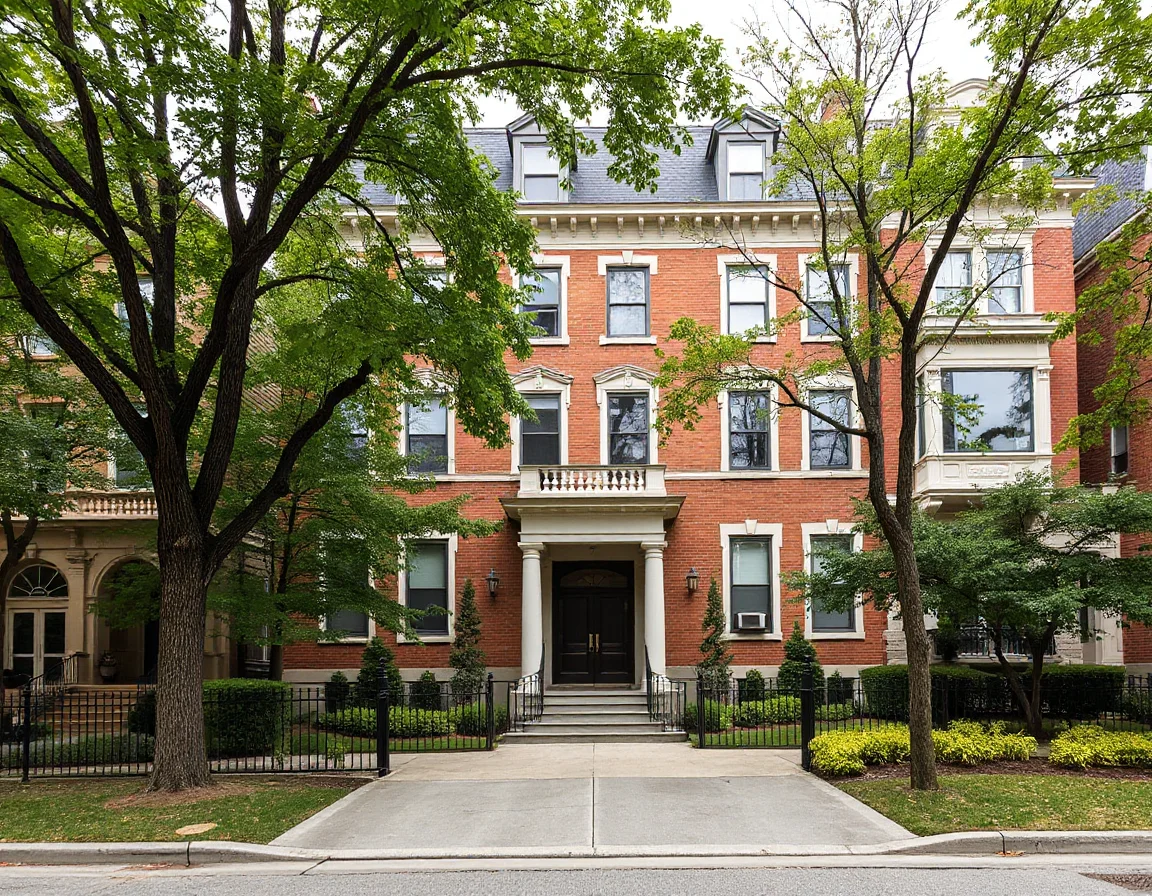
Gold Coast stands apart for its historic prestige, established residential towers, and immediate access to lakefront scenery and central city amenities. Streets here often feature a mix of stately older buildings and luxury condominiums, with some homes offering architectural detailing that reflects Chicago’s long design history. Buyers who are comparing this area with Lincoln Park or Lakeview will notice that Gold Coast generally feels more formal and more closely tied to the Near North Side’s dense urban fabric.
One of the most practical ways to compare these neighborhoods is by looking at how a normal week would unfold in each one. In Lincoln Park, recreation may center on large parks, neighborhood sidewalks, and easy access to the lakefront. In Lakeview, the routine might include a balance of transit use, neighborhood services, sports venues, and active commercial corridors. West Loop often emphasizes short commutes to downtown offices, dining destinations, and newer residential amenities. Gold Coast combines lakefront access with a highly central location and a polished streetscape shaped by long-established buildings and upscale residences.
Dining and retail patterns also differ in ways that influence the feel of each neighborhood. West Loop is especially known for destination dining and a steady stream of new development, while Lakeview offers a broad and approachable variety across its corridors. Lincoln Park blends neighborhood-serving businesses with cultural and outdoor assets, and Gold Coast places buyers near luxury retail, lakefront routes, and classic city institutions. None of these advantages are one-size-fits-all; they simply create different versions of convenience and atmosphere.
For buyers evaluating schools, transportation, and access to everyday services, block-by-block research matters. Commute times can vary considerably depending on train lines, bus routes, parking needs, and work location. Inventory can also shift by season, especially for condos and high-demand attached housing. That is why neighborhood guidance and buyer representation can be so valuable: not just identifying a property, but helping compare monthly costs, building rules, renovation potential, resale considerations, and how each address fits into the larger neighborhood picture.
What Home Buyers Should Watch in the Local Market

Chicago’s market rewards buyers who pay attention to detail. In vintage buildings, assessments, reserve levels, and maintenance history deserve close review. In newer developments, amenities, rental policies, and future resale competition may play a larger role. Single-family and townhome buyers may focus more on lot size, garage access, outdoor space, and renovation updates. Across Lincoln Park, Lakeview, West Loop, and Gold Coast, pricing is often shaped by building type, exact location, finish level, and proximity to transit, parks, and commercial corridors.
There is also real value in matching expectations to inventory realities. A buyer looking for outdoor space, elevator access, parking, and low monthly assessments may need to prioritize some features over others depending on the neighborhood. Those searching for historic detail may find stronger options in older building stock, while buyers drawn to open layouts and amenity packages may see more opportunities in newer developments. A clear comparison process helps turn a broad neighborhood search into a practical decision.
Exploring these four neighborhoods is ultimately about discovering which version of Chicago feels most aligned with your goals. Some buyers are drawn to the established beauty of Lincoln Park, others to Lakeview’s flexibility, West Loop’s modern momentum, or Gold Coast’s classic near-lakefront setting. With informed neighborhood guidance and strong buyer representation, the search becomes more than a list of listings—it becomes a sharper, more confident way to identify where home can work best within the city.